
Wabi-Sabi: Elevate Your Home With This Amazing Interior Design Style
Wabi-sabi interior design offers a serene and deeply meaningful approach to creating spaces that resonate with authenticity and tranquility. Rooted in Japanese aesthetics, wabi-sabi celebrates the beauty of imperfection and impermanence, inviting us to embrace the natural flaws and unique character of our surroundings. In this blog post, we’ll explore the essence of wabi-sabi design and discover how to infuse its timeless principles into every corner of your home, from the living room to the bedroom and show off some designs that truly wowed us!
Key Features of Wabi-Sabi Design

Wabi-sabi design is characterized by simplicity, imperfection, and a profound connection to nature. By incorporating natural materials, muted colors, and minimalist decor, you can create spaces that exude a sense of calm and understated elegance.
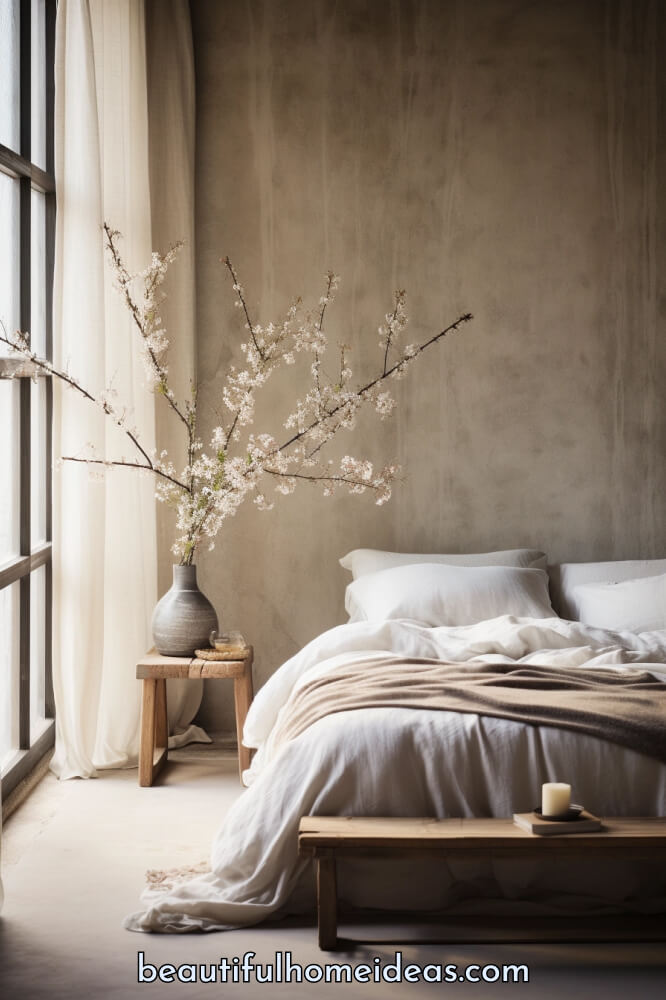
Embracing wabi-sabi means cherishing the beauty of aged and weathered objects, finding joy in the imperfect, and cultivating a deeper appreciation for the transient nature of life itself.
Wabi-Sabi Living Rooms
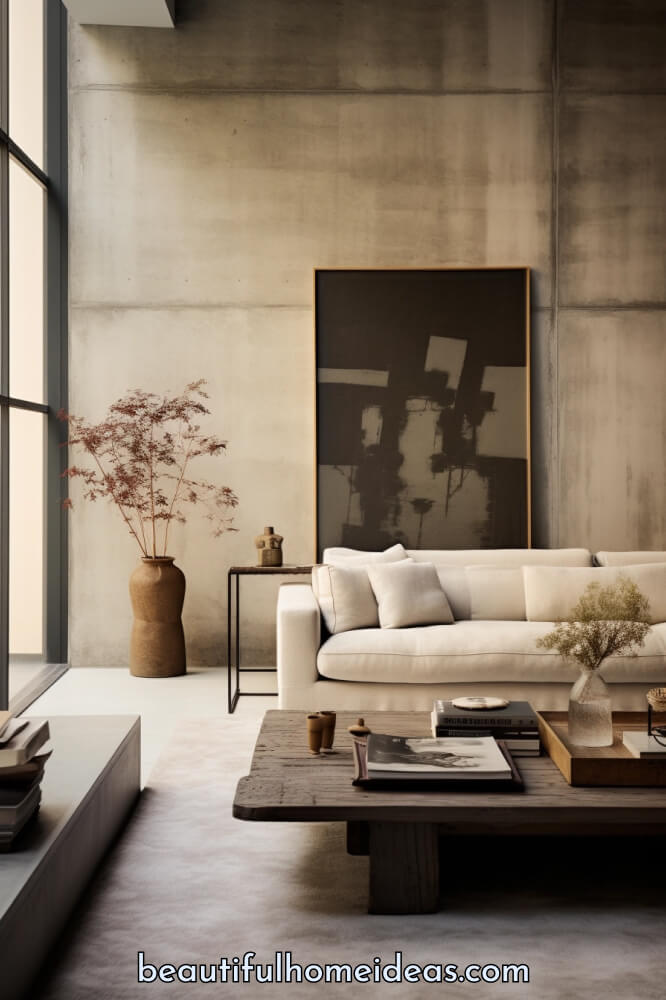
Incorporating wabi-sabi style into your living room is about creating a space that feels warm, inviting, and effortlessly cozy.
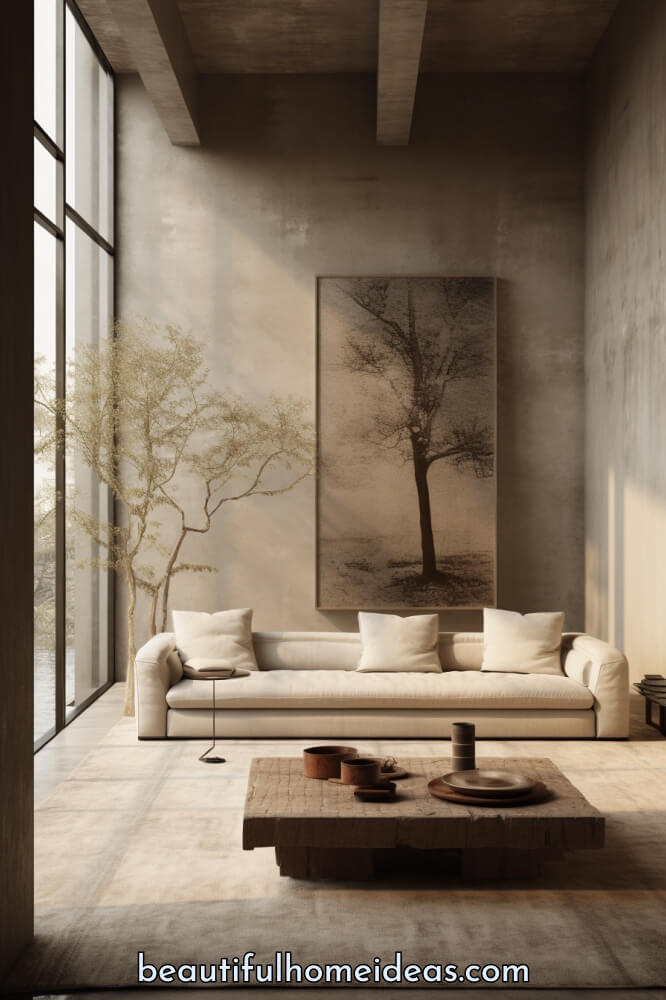
Opt for furniture with organic shapes and natural textures, such as a weathered leather sofa or a handwoven rug. Embrace imperfection by displaying vintage artwork or handmade ceramics, adding depth and character to the room.
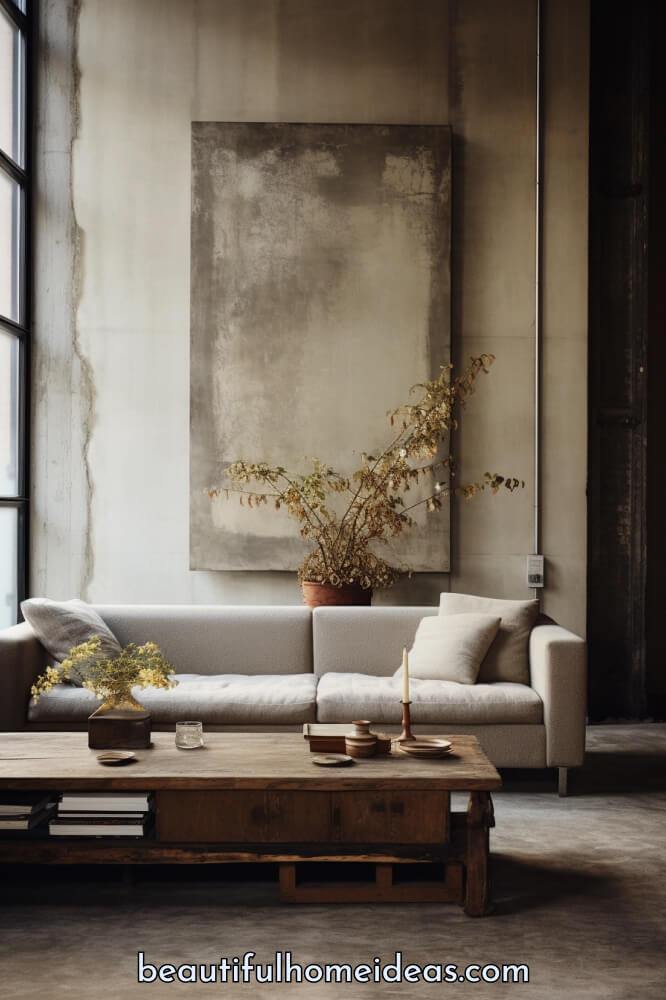
Keep the color palette simple and muted, with soft earth tones and subtle accents inspired by nature.
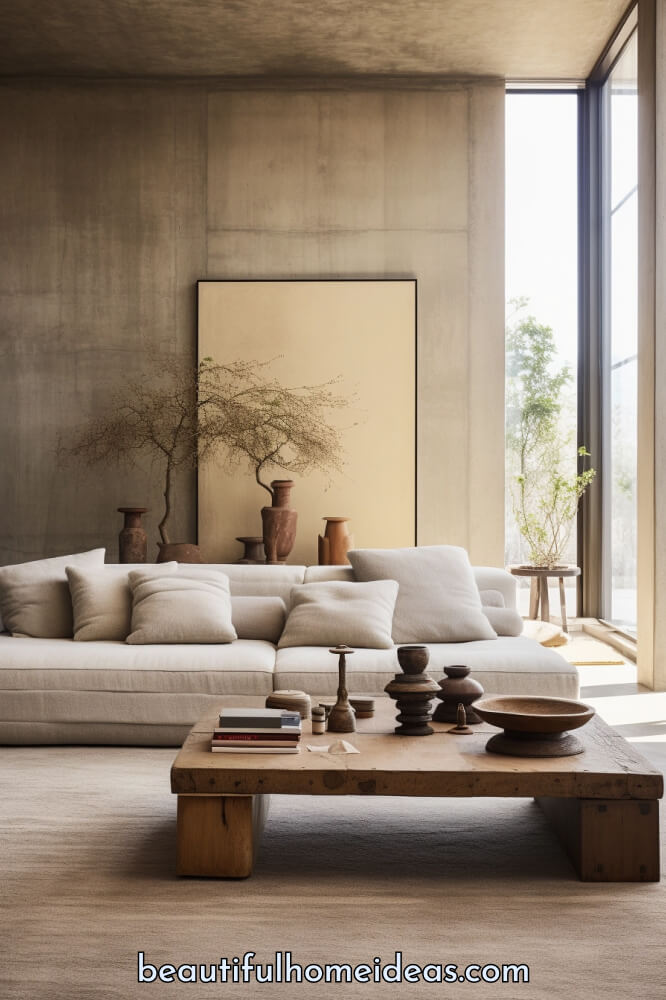
By layering textiles, incorporating plenty of greenery, and embracing a less-is-more mentality, you can create a living room that feels like a peaceful retreat from the chaos of the outside world.
Wabi-Sabi Dining Rooms

In a wabi-sabi dining room, the focus is on creating a space that encourages meaningful connections and shared experiences.

Choose a rustic dining table crafted from reclaimed wood or stone, surrounded by mismatched chairs that reflect the passage of time. Incorporate natural elements like woven baskets, ceramic dinnerware, and linen tablecloths, adding warmth and texture to the room.

Embrace the beauty of imperfection by displaying imperfect pottery or handmade ceramics, celebrating the unique character of each piece.

By dimming the lights, lighting candles, and creating an intimate atmosphere, you can transform your dining room into a place where every meal feels like a special occasion.
Wabi-Sabi Kitchens

In a wabi-sabi kitchen, simplicity and functionality are paramount.

Choose natural materials like wood, stone, and clay for countertops, cabinets, and flooring, creating a warm and inviting atmosphere.

Embrace open shelving to display your favorite cookware and utensils, celebrating the beauty of everyday objects. Incorporate vintage or handmade textiles, such as linen dish towels or cotton curtains, adding softness and warmth to the space. Keep the color palette neutral and understated, with subtle pops of color inspired by nature.
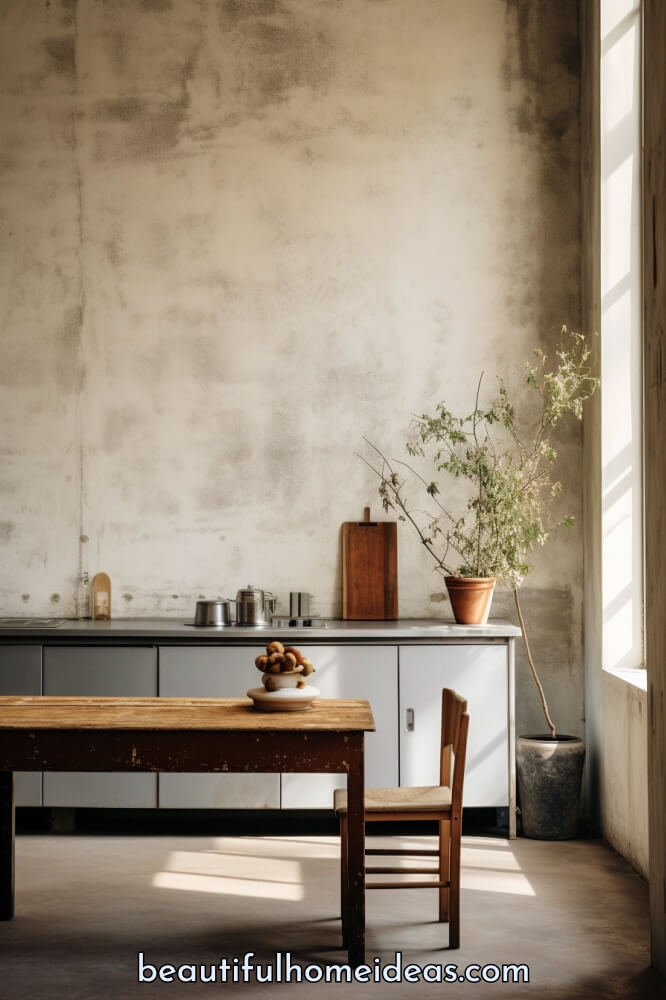
By focusing on quality over quantity and embracing the beauty of imperfection, you can create a kitchen that feels both timeless and welcoming.
Wabi-Sabi Bedrooms

Creating a wabi-sabi bedroom is about cultivating a sense of serenity and tranquility, where every element is chosen with intention and purpose.
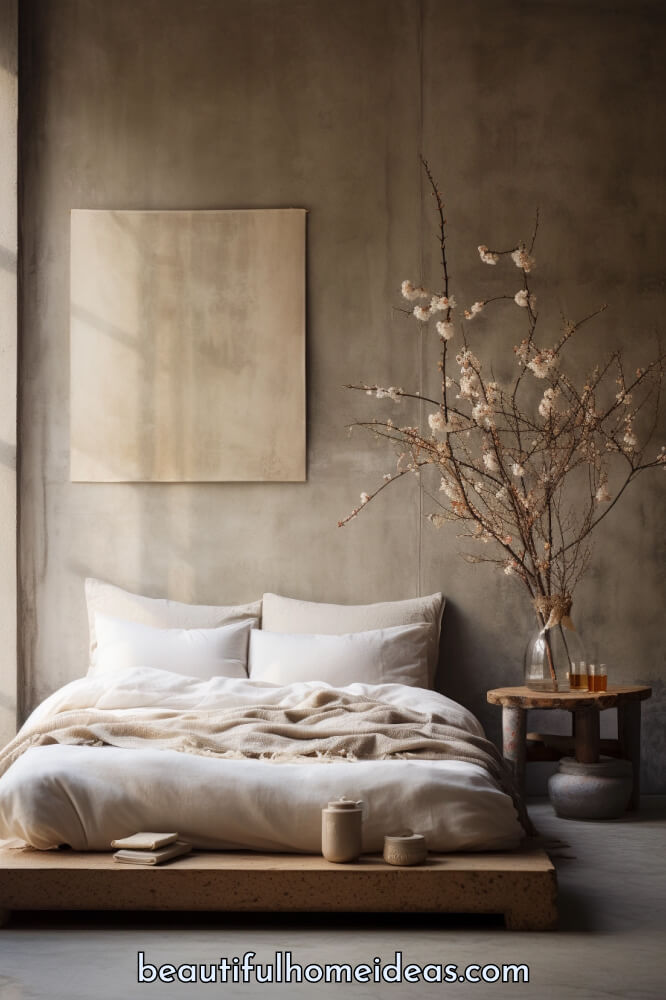
Opt for a simple and uncluttered aesthetic, with a low-profile bed frame and minimalistic furniture. Layer soft, natural textiles like linen and cotton for bedding, adding depth and texture to the room.

Embrace imperfection by incorporating handmade ceramics, vintage artwork, and weathered wood accents, infusing the space with character and charm. Keep the color palette soft and soothing, with muted tones inspired by the natural world.

By creating a bedroom that feels like a sanctuary for rest and rejuvenation, you can embrace the principles of wabi sabi and cultivate a deeper connection to your surroundings


